Real estate markets around the world showed the best recovery results in the second quarter of 2013 since the pre-crisis boom of 2006-2007. This information is provided by Global Property Guide, that recently published a statistical report on the global house prices. Recovery of European markets in the second quarter of 2013 is going slowly amidst the debt crisis in the region. Of the 25 European markets included in the study, 14 showed better results than the previous year.
Positive developments
Denmark showed the best results among the other European countries and the eighth result worldwide, despite weak economic growth. Real estate prices increased by 7.76% for the year as of the second quarter of 2013. A good result, considering that last year over the same period there was a decline by 4.12%. The prices for the quarter were up by 1.94%. The Danish economy is projected to grow by just 0.2% in 2013 after a contraction of 0.57% in 2012.
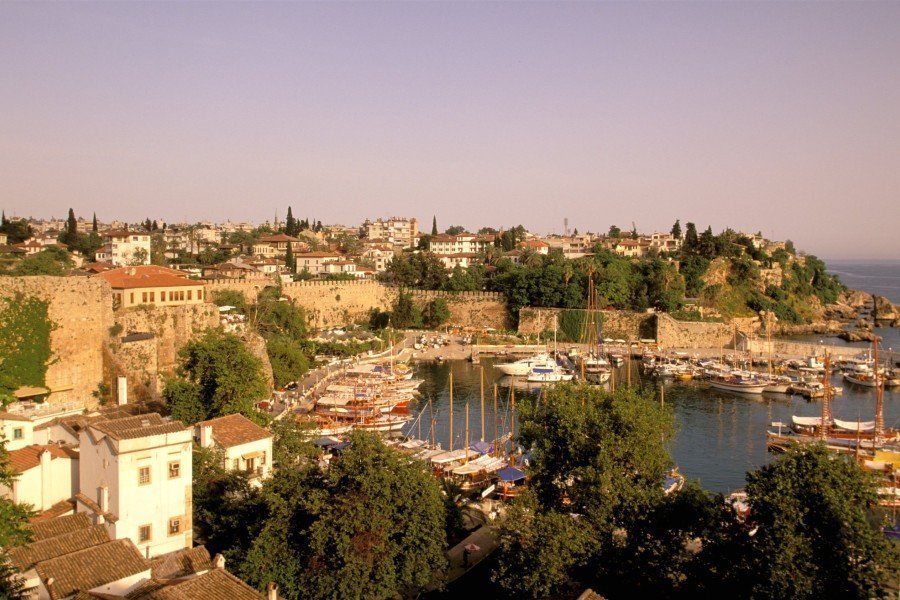
In Turkey the housing prices are also rose rapidly. The cost of real estate for the year grew by 6.94% in the second quarter of 2013. Compared with the previous quarter prices rose by 1.55%.
In some other European countries have also been significant positive developments. In Germany, prices were up by 3.63%, Switzerland - by 3.63%,Norway - by 3.37%, and in Sweden - by 3.34%.
Among the cities, Kiev is in the lead with an increase of 6.24%, Vienna (6.01%) andTallinn (4.65%). Warsaw and Vilnius sharply slowed their decline: -3.41% and -1.02% respectively.
In some European countries, prices rose slightly. In Iceland, the value of the property for the year increased by 1.51% as of Q2 2013, Finland - 0.58%, in Ireland - 0.53%, in Latvia - 0.4%. Compared with the first quarter of 2013 in Iceland, prices rose by 2.7% in Finland to 0.33% and in Ireland by 2.34%, while in Latvia prices fell by 0.03%.
Negative indicators
Despite these positive developments, some European markets are still in a deep depression. Twelve of the most weak global markets are in Europe. The worst performance in the reporting period was at Cyprus, where prices fell during the year by 12.74% as of the second quarter of 2013, which was a record decline in recent years. Compared with the previous quarter prices were down by 4.15%. Cyprus economy is projected to shrink by two-digit number in 2013 because of the huge financial difficulties the country has faced in recent times.

In Greece, the prices decreased by 11.12%, which is slightly better than the annual decline of 12.73%, as shown in the second quarter of 2012. Compared with the first quarter, the prices were down by 4.08%. The Greek economy is shrinking for six consecutive years, against the background of ongoing austerity measures by the Greek government. In 2013, the economy is projected to decrease by 4.2%.
The situation in the real estate market in Romania is slightly depressing against the improving economic situation. The cost of housing has decreased by 10.2%. Compared with the previous quarter prices fell by 2.84%. Romania's economy grew by 0.5% in the quarter and 1.5% for the year. By the end of 2013, experts predict a rise of 2%.
Among the cities the worst performance demonstrated Zagreb, where prices for the year decreased by 8.14%. During the quarter, real estate prices dropped by 1.78%. Croatian economy continued recession, leading to a decline of 0.3% by the end of the year.
In Netherlands, prices were down by 7.25%, the eleventh consecutive quarterly decrease in the cost of housing. During the quarter, prices were down by 1.04%.
In Russia, prices in the secondary market decreased by 5.27%, the largest decline since the 4th quarter of 2010. A quarterly basis, prices were down by 0.94%.
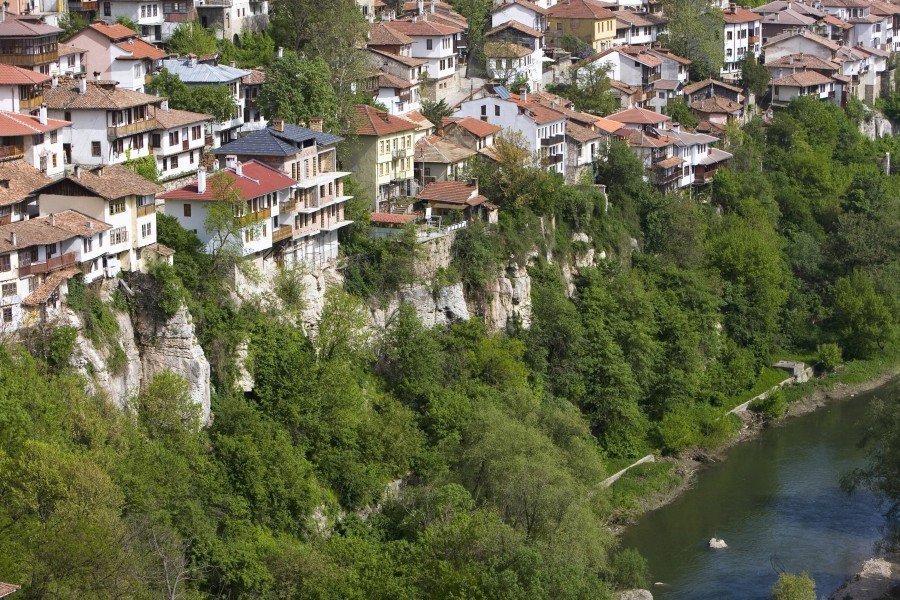
Property prices in Bulgaria dropped by 4.6%, which was the eighteenth of the account quarterly decline in the cost of housing a row. During the quarter, housing became cheaper by 0.95%.
All seven of the worst markets, except for Greek and Dutch, showed the worst results in the second quarter of 2013 compared to the same period last year.
The slight decrease in prices was observed in Poland (-3.84%) , Portugal (-3.41%) , the UK (1.56%), Slovakia (-1.35%) and Lithuania (-1.02%) .
The fact that the rate of decline slowed in most countries may cause some optimism.
Dynamics of prices on the European markets in the second quarter of 2013:
Country
|
Price dynamics per year
|
Price dynamics per quarter
|
Denmark
|
7.67%
|
1.94%
|
Turkey
|
6.94%
|
1.55%
|
Austria, Vienna
|
6.01%
|
2.66%
|
Estonia, Tallinn
|
4.65%
|
-1.14%
|
Germany
|
3.83%
|
4.62%
|
Switzerland
|
3.63%
|
0.63%
|
Norway
|
3.37%
|
1.62%
|
Sweden
|
3.34%
|
1.25%
|
Iceland
|
1.51%
|
2.70%
|
Finland
|
0.58%
|
0.33%
|
Ireland
|
0.53%
|
2.34%
|
Latvia, Riga
|
0.40%
|
-0.03%
|
Lithuania, Vilnius
|
-1.02%
|
0.33%
|
Slovakia
|
-1.35%
|
-0.96%
|
UK
|
-1.56%
|
1.87%
|
Portugal
|
-3.41%
|
3.10%
|
Poland
|
-3.84%
|
-1.66%
|
Bulgaria
|
-4.60%
|
0.95%
|
Russia
|
-5.27%
|
-0.94%
|
Netherlands
|
-7.25%
|
-1.04%
|
Croatia, Zagreb
|
-8.14%
|
-1.78%
|
Romania
|
-10.20%
|
-2.84%
|
Greece
|
-11.12%
|
-4.08%
|
Cyprus, Nicosia
|
-12.74%
|
-4.15%
|
